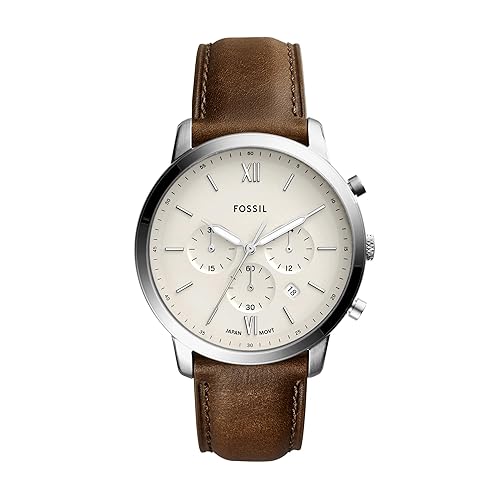
A budget of up to $1000 is where watches get really interesting. You can step up to sapphire crystals, better movements and Swiss names, and you can still choose from some of the best Japanese watches in the world. This guide picks the best watches under $1000 by use case, explains why each one earns its place and shows how to choose.
Prices change with sales and retailers, so we give rough ranges. Check the current listing before you decide.
Quick picks
- Best overall: Tissot PRX Powermatic 80
- Best field watch: Hamilton Khaki Field Mechanical
- Best dress watch: Seiko Presage
- Best diver: Seiko Prospex
- Best solar tool watch: Citizen Promaster
- Best story: Bulova Lunar Pilot
1. Tissot PRX Powermatic 80: best all-round Swiss watch
The PRX is the watch that made the under-$1000 category exciting again. It has a 1970s-inspired integrated bracelet, a textured dial and a 40 mm case that wears well on most wrists. The Powermatic 80 automatic movement has about 80 hours of power reserve, which means you can take it off on Friday and still find it running on Monday morning. Prices for the automatic usually sit somewhere between about $650 and $850 depending on dial and seller, and a quartz version costs noticeably less.
Who it is for: anyone who wants a Swiss watch with design that stands out from the crowd. The main compromise is that the bracelet clasp and finishing are good for the price rather than excellent.
2. Hamilton Khaki Field Mechanical: best field watch
Hamilton’s Khaki Field traces its roots to watches made for the United States military, and it keeps the formula: a clean, legible dial, a compact case and a tough, simple look. The Mechanical is hand-wound with about 80 hours of power reserve, and it is one of the cheapest ways to get a Swiss mechanical movement from a respected brand. Expect to pay roughly $500 to $700 depending on size and seller, with the automatic costing more.
Who it is for: people who like simple, rugged watches and do not mind winding the crown each morning. Water resistance is modest, so it is not a swimming watch.


3. Seiko Presage: best dress watch
Presage watches are where Seiko shows off dial work. Enamel, textured and sunburst dials look far richer than the price suggests, and automatic movements power them. The Cocktail Time line is the best-known entry point at around $450 or so, and there are more expensive models with finer finishing. If you want a dress watch with character, this is hard to beat.
Who it is for: people who want a beautiful dial and a mechanical movement for the office or special occasions. Water resistance is limited, so keep it away from the pool.
4. Seiko Prospex: best diver
Seiko has been making dive watches for decades, and the Prospex line carries that history. Models such as the well-known Turtle style have solid cases, thick bezels, strong lume and 200 m water resistance, usually in the low-to-mid hundreds of dollars. They are chunky, but they are built to be used.
Who it is for: anyone who wants a real diver for water sports or a rugged everyday watch. It wears large, so try one on if you can.
5. Citizen Promaster: best solar tool watch
Citizen’s Promaster family covers divers, pilots and field watches, and the Eco-Drive versions never need a battery change. They are accurate, durable and well priced, often far below the $1000 mark. If you want a watch that is ready every day without winding or setting, this is a strong choice.
Who it is for: people who value reliability and convenience over mechanical charm.
6. Orient Star: best Japanese value
Orient Star is the premium line from Orient, a brand known for good automatics at fair prices. Dials, finishing and in-house movements are a step above the basic range, and many models sit comfortably under $1000, often around the mid hundreds. It is the pick for people who want something a little different from the usual Swiss and Seiko names.
7. Bulova Lunar Pilot: best story
This large chronograph is based on the Bulova watch worn on the Moon during Apollo 15. It is bold, easy to read and costs far less than most chronographs with a connection to space history. The case is big, so it suits larger wrists, and it is a good gift for anyone interested in the history of exploration.
Quick comparison
| Watch | Movement | Size | Rough price |
|---|---|---|---|
| Tissot PRX Powermatic 80 | Automatic, 80 h reserve | 40 mm | About $650 to $850 |
| Hamilton Khaki Field Mechanical | Hand-wound, 80 h reserve | 38 mm | About $500 to $700 |
| Seiko Presage Cocktail Time | Automatic | About 40 mm | Around $450 |
| Seiko Prospex diver | Automatic | Large, about 45 mm | Low to mid hundreds |
| Citizen Promaster Eco-Drive | Solar quartz | 42 to 44 mm | Often under $500 |
| Bulova Lunar Pilot | Quartz chronograph | About 45 mm | Usually below $1000 |
What $1000 buys that $500 does not
Between $500 and $1000 you pay for finishing and materials rather than basic function. You are more likely to get a sapphire crystal, a better bracelet with a solid clasp, a movement with a long power reserve and a more refined dial. Brand heritage also counts for more, especially with Swiss names. However, returns diminish quickly: a well-chosen $400 watch from Seiko or Citizen keeps time as well as many $900 watches. Spend more if you want better materials and design, not because you need better timekeeping.
Swiss or Japanese?
Swiss watches in this range, such as Tissot and Hamilton, give you the prestige of a Swiss name and long-power-reserve movements. Japanese watches from Seiko, Citizen and Orient usually give you more watch for the same money: stronger lume, better water resistance, more varied styles and solar or high-precision options. If you want a statement piece for the office, go Swiss. If you want a robust daily watch, go Japanese.
Mistakes to avoid
- Buying a watch that is too big. Check lug-to-lug distance against your wrist, not just the case diameter.
- Ignoring water resistance. A dress watch with 30 m is not for the pool.
- Paying list price. Many brands are discounted regularly through authorized dealers.
- Buying a hand-wound watch and forgetting to wind it. If that sounds like you, choose an automatic or a solar quartz.
- Buying unknown sellers with prices that look too good to be true. Fakes are common for popular models.
How to choose a watch under $1000
- Swiss or Japanese: go Swiss for brand and movement prestige, Japanese for the best specification per dollar.
- Automatic, hand-wound or quartz: automatic for convenience with mechanical charm, hand-wound for slim cases and ritual, quartz or solar for zero maintenance.
- Size: measure your wrist and check lug-to-lug length, not just case diameter. 38 to 41 mm suits most people.
- Crystal and water resistance: look for sapphire and at least 100 m for a daily watch.
- Bracelet quality: a good bracelet makes a big difference to comfort and the look of the watch.
FAQ
Is $1000 enough for a luxury watch?
Not for entry-level luxury brands, but it buys excellent mid-range watches from Tissot, Hamilton, Seiko, Citizen and others.
Should I buy new or used?
Used watches can offer more for the money, but new ones come with a warranty. Buy used only from sellers with a clear return policy.
What is the best watch under $500?
See our guide to the best watches under $500 for cheaper picks that are almost as good.
Which is better, Tissot PRX or Hamilton Khaki Field?
The PRX is more fashionable, with an integrated bracelet and a modern look. The Khaki Field is rugged, simple and military-inspired. Pick the style that suits your wardrobe.
Verdict
For most people the Tissot PRX Powermatic 80 or the Hamilton Khaki Field is the safest pick, and Seiko offers the best specification per dollar. Choose by style first, then by movement, and you will end up with a watch you enjoy wearing for years.
This page contains affiliate links. If you buy through them we may earn a small commission at no extra cost to you. Prices change often, so check the current listing before you buy.