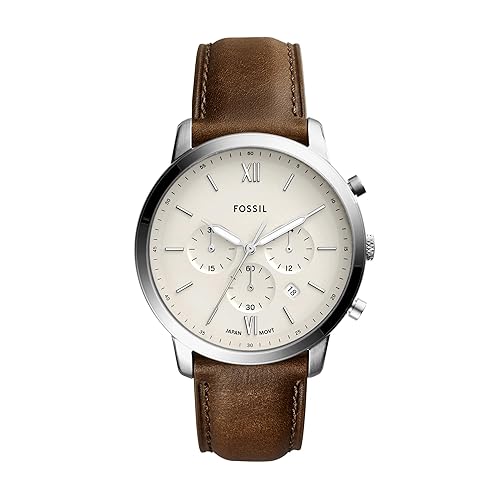
Short answer: the best women’s watch is the one that fits your wrist, suits how you live and keeps good time without fuss. For most people that means a quartz or solar watch with a case of about 31 to 36 mm, a comfortable bracelet or strap, and at least 5 ATM of water resistance. This guide shows you how to choose by wrist size, style and budget, and it links to our deeper guides when you want more detail.
Shopping for a women’s watch can feel oddly complicated. There are thousands of designs, plenty of marketing talk about “ladies’ sizes”, and very little advice about what actually makes a watch pleasant to wear for years. The good news is that a handful of simple decisions cover almost everything. Settle them in the order below, and the shortlist makes itself.
Quick picks by situation
- Everyday wear: a simple quartz or solar watch with a clear dial, 31 to 36 mm.
- Office and dressy occasions: a slim case with a metal bracelet or leather strap and a clean dial.
- Active days and sport: a lightweight case on silicone, with 10 ATM if you swim.
- Small wrists: 26 to 32 mm with narrow lugs that do not overhang.
- Larger wrists: 36 to 40 mm, or a modern unisex style with a wider strap.
- Fitness and notifications: a smartwatch or hybrid, as long as you do not mind charging it.
- A gift: a neutral metal tone with a classic dial that suits almost any wardrobe.
How to choose a women’s watch
Before you look at styles, settle four things: size, movement, strap and water resistance. Everything else is personal taste. If you get these four right, the watch will be comfortable and you will keep wearing it. If you get them wrong, even a beautiful watch ends up in a drawer.
1. Start with your wrist
Wrap a soft tape measure, or a strip of paper you can measure afterwards, around the wrist where you normally wear a watch. Many women measure somewhere between 14 and 18 cm. Measure at the end of the day, because wrists swell slightly in warm weather and after exercise. Smaller wrists usually look best with smaller cases, while larger wrists can carry bigger dials without looking oversized.
| Wrist circumference | Comfortable case range | Strap width that usually balances |
|---|---|---|
| Under 14 cm | 26 to 30 mm | 10 to 14 mm |
| 14 to 16 cm | 28 to 34 mm | 12 to 16 mm |
| 16 to 18 cm | 32 to 38 mm | 14 to 18 mm |
| Over 18 cm | 36 to 42 mm | 16 to 20 mm |
A useful check is the lugs, the parts that hold the strap. If they stick out past the edge of your wrist when your arm is relaxed, the watch is too big for you, whatever the diameter says. Thickness matters too. A slim case slips under a sleeve, while a thick case catches on cuffs and can feel clumsy at a keyboard.
| Case diameter | How it usually looks | Best for |
|---|---|---|
| 26 to 30 mm | Delicate, jewellery-like | Slim wrists, very dressy looks |
| 31 to 34 mm | The classic women’s size | Most wrists, everyday and office wear |
| 35 to 38 mm | Modern, sporty, confident | Medium to larger wrists, casual and active wear |
| 39 mm and up | Bold, often unisex | Larger wrists or a deliberate statement look |
These are guidelines, not rules. Plenty of women wear larger, unisex watches on purpose, and many prefer a slim case at an average diameter because it keeps the watch from looking bulky. A strap width of roughly half the case diameter usually looks balanced.
2. Pick a movement that matches your habits
The movement is the engine inside the watch. For most buyers the choice comes down to how much attention you want to give it. If you would like to understand the options better, read how a quartz watch works or how an automatic watch works.
| Movement | What it means for you | Good fit if you want |
|---|---|---|
| Quartz | Battery powered, accurate, light and low maintenance | A reliable everyday watch with no fuss |
| Solar quartz | Powered by light, so no regular battery changes | Low maintenance and a watch you can forget about |
| Automatic | Mechanical, powered by wrist motion, needs occasional servicing | A watch with character and a visible mechanical story |
| Hand-wound | Mechanical, wound by the crown each day | Slim cases and a more ritual-driven ownership |
| Smart or hybrid | Notifications and tracking, needs regular charging | Fitness tracking or phone alerts on the wrist |
Quartz is the sensible default. It is accurate to within a few seconds a month, it survives knocks, and a battery change every couple of years is the only upkeep. Solar quartz removes even that, which suits people who forget about a watch for weeks. Automatic watches appeal if you enjoy the idea of a tiny machine on your wrist, but they drift a little in accuracy, they stop if you do not wear them, and they need servicing every few years.
3. Choose a strap you will enjoy wearing
Comfort decides whether a watch gets worn or ends up in a drawer. Many women prefer a metal bracelet for everyday wear because it is durable and looks good with most outfits, and a softer strap for sport or for days when the wrist swells. Quick-release straps make it easy to switch between styles, so one watch can do several jobs.
| Strap or bracelet | Strengths | Watch out for |
|---|---|---|
| Stainless steel bracelet | Durable, dressy and casual, easy to size | Can feel heavy on very slim wrists |
| Leather strap | Warm, classic, comfortable | Dislikes water and sweat, needs replacing over time |
| Silicone or resin | Light, waterproof, ideal for sport | Looks casual, can attract lint |
| Mesh bracelet | Slim, flexible, easy to adjust | Can snag fine fabrics or hair |
| Fabric or nylon | Light and colourful, easy to swap | Absorbs sweat, wash it regularly |
| Ceramic or coated links | Smooth, light and scratch resistant | Harder to resize, chips are visible on coated finishes |
4. Check the water resistance
Water resistance is rated in ATM or metres, but the numbers describe laboratory pressure, not real swimming depth. Use the table as a simple guide, and remember that seals age, so a watch that is a few years old is less protected than a new one. Hot showers, saunas and soap can damage seals faster than cold water does, so take the watch off for those even if it is rated for swimming.
| Rating | Safe for | Avoid |
|---|---|---|
| 3 ATM (30 m) | Rain and hand washing | Showers, swimming |
| 5 ATM (50 m) | Showering and light swimming | Diving, high-pressure water |
| 10 ATM (100 m) | Swimming and snorkelling | Scuba diving |
| 20 ATM (200 m) and up | Serious water sport | Nothing for normal use, but it is rarely needed |
Dial, crystal and case details that matter
Once the four basics are right, a few smaller details separate a watch you enjoy from one you merely tolerate.
Dial and legibility
A dial is only useful if you can read it quickly. Clear hour markers, hands that contrast with the background and a minute track make a watch easy to read at a glance. Dials crowded with sub-dials, tiny crystals or decorative patterns look striking but can be hard to read in poor light. If you check the time often, simple is better. Date windows are handy for work but add visual clutter, so decide whether you will actually use one.
Crystal
The crystal is the clear cover over the dial. It is the part that takes everyday scratches from desks, door frames and bag zips, so it affects how good the watch looks after a year of use.
| Crystal type | Strengths | Trade-offs |
|---|---|---|
| Acrylic or plastic | Cheap, shatter resistant, easy to polish | Scratches easily |
| Mineral glass | Good clarity, affordable, common on everyday watches | Scratches over time |
| Sapphire | Very scratch resistant, stays clear for years | Costs more, can shatter on a hard impact |
Case material and finish
Stainless steel is the standard for good reason: it is strong, resists corrosion and keeps its look. Gold or rose gold tone is usually a thin plating over steel or brass, and it can wear at the edges over the years. Ceramic stays glossy and resists scratches, and titanium is very light for people who dislike weight. Brushed finishes hide scratches better than polished ones, which is worth knowing if you are rough on your watches.
Choosing a style that suits you
Style is personal, but a few broad families cover most of what you will see.
- Minimalist: a plain dial, thin hands and no clutter. It suits almost every outfit and ages well.
- Classic dress: roman numerals or fine markers, a slim case and a leather or metal strap. It is elegant for work and occasions.
- Vintage inspired: small cases, rectangular or tonneau shapes and warm tones. These feel nostalgic and stand out in a crowd.
- Bracelet and cuff watches: the watch becomes a piece of jewellery. They look lovely but are less practical for sport or daily rough use.
- Sporty: larger cases, rotating bezels and rubber or silicone straps built for active days.
- Fashion: trend-led colours and shapes. Fun and affordable, but check the movement and water resistance rather than assuming good quality.
The metal tone also affects how a watch works with the rest of your wardrobe. This table gives a simple way to match it with what you already own.
| Metal tone | Looks best with | Notes |
|---|---|---|
| Silver or steel | Cool colours, white and grey outfits, silver jewellery | The most versatile and easiest to match |
| Yellow gold tone | Warm colours, earthy tones, gold jewellery | Classic and timeless, works well on tanned skin |
| Rose gold tone | Neutrals, blush and navy, mixed metals | Soft and flattering on most skin tones |
| Two-tone | Mixed jewellery collections | Removes the need to match everything exactly |
| Black or dark coated | Casual and modern wardrobes | Coating can wear at the edges over time |
Best women’s watches for everyday wear
An everyday watch should be easy to read, light and comfortable enough that you forget you are wearing it. Look for a clean dial with clear numerals or markers, a scratch-resistant crystal and a case that sits comfortably under a sleeve. Quartz and solar movements are the sensible choice here because they keep accurate time with almost no attention. A neutral metal tone and a bracelet or soft leather strap will work from a morning commute to dinner out. For more options in this style, see our guide to everyday watches.

Best women’s watches for dressy and office wear
A dressy watch is about proportion. A slim case, a plain dial and a polished metal or leather strap will suit most offices and evening occasions. Rose gold, silver and gold tones all work, so match the tone to the jewellery you wear most often. A few small crystals on the dial can add sparkle, but plain dials usually stay fashionable longer. If you wear fine bracelets on the same wrist, choose a slimmer watch so the pieces do not fight each other. You will find more ideas in our guide to pretty watches for ladies.
Office watches also need quiet manners. A loud clasp, a bright backlight or a ticking sound can be distracting in meetings, so try the watch in a calm moment before you decide. Many people keep a dressy watch for work and a tougher one for weekends, and that simple pairing covers almost every situation.
Best women’s watches for active days
For sport, walking and travel, weight and water resistance matter most. A lightweight case on a silicone strap handles sweat and rain without complaint, and 10 ATM gives you peace of mind if you swim. Digital displays and backlights are handy for workouts, and a simple analog sport watch is a good middle ground. Look for a buckle that stays shut under movement and a strap with enough holes to adjust for swollen wrists on hot days.
Are smartwatches worth considering?
A smartwatch adds notifications, activity tracking, heart-rate sensors and often sleep tracking. That is useful if you train regularly or want to glance at messages without reaching for your phone. The trade-offs are a daily or weekly charging routine, a shorter useful life as software ages, and a screen that looks more like gadgetry than jewellery. Hybrid watches try to bridge the gap with a classic analog dial and a few smart features, and they usually last longer between charges.
If you are unsure, ask yourself one question: will you actually use the extra features every week? If yes, a smartwatch earns its place. If you mostly want a good-looking watch that tells the time, a quartz or solar watch will make you happier. To understand what is inside one before buying, read how a smart watch works.
Choosing a watch as a gift
Buying a watch for someone else is easier when you play it safe on the details that are hard to guess. Choose a neutral metal tone, a case in the middle of the size range and a bracelet that can be shortened by a jeweller or by removing links. Check what jewellery she wears most often and match the tone. A classic dial with clear markers is rarely a mistake, and a gift receipt is always a good idea, because wrist size is the one thing you cannot judge from a photo.
What about budget?
You do not need to spend a lot to get a dependable women’s watch. Reliable quartz movements, sturdy steel cases and decent crystals are available at modest budgets, and the differences at higher budgets are mostly finishing, materials and brand. A sapphire crystal, a better bracelet clasp and a more refined dial are the usual rewards of spending more. If you are setting a limit, our guides to watches under $100 and watches under $500 explain what each step up actually buys you, and the watch buying guides cover the basics for first-time buyers.
Prices change with sales and seasons, so always check the current listing before you decide. A good rule is to spend on the parts you touch and see every day: the strap, the clasp and the crystal. The movement can be simple as long as it is dependable.
Common mistakes when buying a women’s watch
- Ignoring wrist size. A beautiful watch that is too big or too small will never feel right.
- Choosing only by looks. A fashion watch with a cheap movement may look luxurious but keep poor time.
- Overlooking the strap. An uncomfortable clasp or a rough strap ends daily wear quickly.
- Assuming “women’s” means small. Many women are happiest in unisex sizes.
- Skipping water resistance. A watch that cannot handle a rain shower is a daily frustration.
- Forgetting maintenance. Batteries and seals need attention eventually, so buy something that is easy to service.
- Buying too many features. Crowded dials and extra functions you never use make a watch harder to love.
How to look after your watch
A little care keeps any watch looking good and running well. Wipe the case and strap with a soft cloth after wearing, especially after exercise or swimming in the sea. Rinse a metal bracelet in lukewarm water with a drop of mild soap and dry it fully. Keep leather straps away from water and perfume, and replace them when they crack. Store the watch away from strong magnets and extreme heat, and have the seals checked when you replace the battery if you rely on water resistance. With these habits, a well-chosen watch can last for many years.
Frequently asked questions
What size watch is best for a woman?
Most women’s watches have cases between about 26 and 36 mm, and 31 to 36 mm is the most common range. Choose by wrist size and personal taste, since larger watches are popular too.
Should I choose quartz or automatic?
Quartz is the easiest for daily use: it is accurate, light and low maintenance. Automatic suits you if you enjoy the mechanical character and do not mind occasional servicing.
Is a metal bracelet or a leather strap better?
A metal bracelet is more durable and handles water well, while leather feels warmer and dresses up a watch. Many people keep one watch and swap straps for the occasion.
Can I wear a men’s watch?
Yes. Many women choose men’s or unisex watches because they like the larger dial. Just check that the lugs do not overhang your wrist.
Are smartwatches a good choice for women?
They are a good choice if you want fitness tracking or notifications. The main trade-offs are charging and a bulkier look, so check the strap and fit just as carefully as you would for any watch.
How do I know which water resistance I need?
Choose 5 ATM for showers and light swimming, and 10 ATM if you swim regularly. Everyday splashes are fine with lower ratings, but avoid hot showers and saunas with any watch.
Which wrist should I wear a watch on?
Wear it on whichever wrist feels natural. Many people choose the non-dominant wrist so the watch gets in the way less, but there is no rule.
How tight should a watch be?
Snug enough that it does not slide over the wrist bone, loose enough that you can slip a finger underneath. Wrists swell in heat, so leave a little room.
Does a sapphire crystal matter?
It matters if you want the dial to stay clear for years, because sapphire resists scratches far better than mineral glass. For a watch you will replace in a few years, mineral glass is perfectly fine.
How often should I replace the battery?
A quartz battery usually lasts around two years, though it varies by model. Replace it promptly when the watch stops, because a leaking battery can damage the movement.
The verdict
Choose for fit first, then for movement, strap and water resistance, and finally for style. A well-sized quartz or solar watch with a comfortable strap will serve you better than a more expensive watch that does not suit your wrist. When you are ready to compare real options, use the picks above and the guides we have linked to narrow the list.