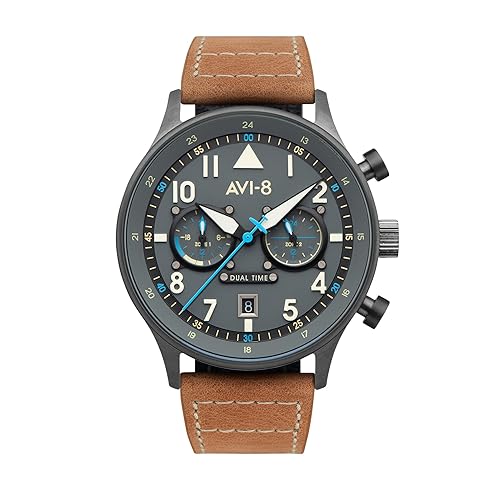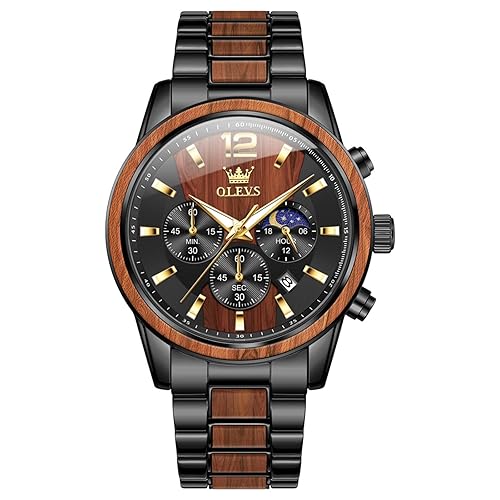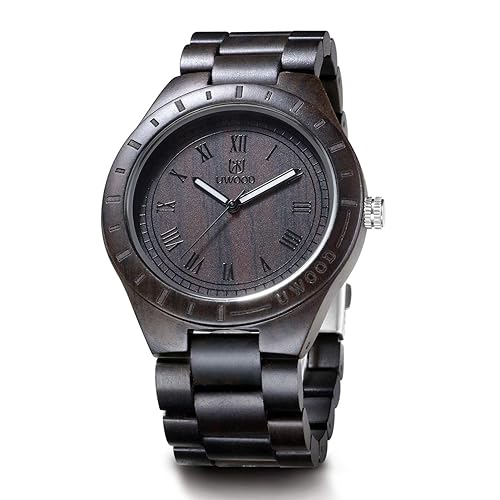
Wood watch reviews all end up in the same place: these are light, warm-looking fashion watches with quartz movements inside, not tough tool watches. They suit people who want something natural and different on their wrist, and they disappoint anyone who expects metal-watch toughness.
We have not worn these watches ourselves, so this guide draws on maker descriptions, trade listings and published buying guides, and we flag where sources vary. The short version: check the wood, the movement and the water rating before you buy, and keep the watch away from water.
What to expect from wood watch reviews
Wood watches are lightweight quartz watches with cases and bands made from natural woods such as maple, rosewood, bamboo, sandalwood, walnut, ebony or zebrawood. They are fashion and gift watches: very light, easy to personalise (one listing offers a laser-engraved message on the back) and usually driven by a reliable Japanese Miyota quartz movement such as the 2035. Water resistance varies from “avoid water” to about 30 m, so read the listing carefully.
Who wood watches suit (and who should skip them)
A good fit if you want a light, warm watch that looks different from the usual steel and leather, if you like natural materials, or if you need a gift with personality. They also suit wearers who dislike the weight of metal.
Skip them if you swim, shower with your watch, or work with your hands. Skip them too if you want a watch that shrugs off knocks. For that job, our best everyday watch guide has tougher choices.
Wood watch reviews: pros and cons
Pros
- Very light, and comfortable in hot weather
- Natural grain makes each watch slightly different
- Reliable Japanese quartz movements are common
- Easy to personalise, which makes them popular gifts
Cons
- Water resistance is limited, and many models are splash-proof at best
- Wood can scratch, swell or crack if it is mistreated
- Quartz, not mechanical, so a battery needs changing from time to time
- Quality varies a lot between brands, so check reviews
How wooden watches are made
Most wood watches keep a conventional watch inside a wooden shell. WeWOOD, for example, makes its watches completely from wood with the exception of the glass, movement, battery, pins and clasp, and uses Japanese Miyota movements. Other brands combine wood with stainless steel, which gives the watch more strength and a more familiar look.
The wood is usually sanded and sealed with a protective coat or oil. That finish matters more than the species, because it keeps moisture out. When a cheaper watch skips it, the wood tends to look dull after a few months of wear. Some brands, such as Original Grain, also use reclaimed wood, from whiskey barrels and similar sources, which gives each watch a story.
Which wood is best?
Each wood has its own character. Sandalwood has a fine, closed grain that polishes smoothly and carries a natural scent that fades with time. Bamboo is lighter and handles moisture better than sandalwood or walnut. Walnut and ebony are denser, which gives a heavier wrist feel and deeper colour, and they tend to hold their shape well. Light woods such as maple and bamboo look modern and minimal, while dark woods look more classic.
| Wood | Look | What to know |
|---|---|---|
| Walnut | Warm, golden-brown | Dense and strong, with a heavier feel |
| Ebony | Deep black, fine texture | Dense and hard-wearing, with a formal look |
| Sandalwood | Reddish, fine grain | Mild scent that fades; polishes smoothly |
| Bamboo | Light, straight grain | Lightest feel and better moisture handling |
| Maple | Pale and clean | Modern, minimal look |
| Zebrawood | Striped, high contrast | Dramatic grain; no two are alike |


The movement inside wood watches
Most wood watches use quartz, and a good number rely on Japanese movements from Miyota, a maker inside the Citizen group. Quartz is simple, accurate and cheap to run. If you want to know why, our quartz watch explainer shows the crystal and circuit at work.
A few brands go further. JORD, for instance, lists both quartz movements and self-winding automatics, including Miyota calibres, in its wood watches, and it uses a wide range of woods such as rosewood, sandalwood, walnut, acacia, maple, olive, bamboo and purpleheart. For a mechanical look at lower cost, see our best cheap automatic watches list.
Water resistance and durability: what wood watch reviews say
This is where wood watches lose points. Because the case is organic, it cannot match the water rating of steel, so you cannot take it swimming or diving. Many models are rated 3 to 5 ATM, which means they survive rain and splashes, and some are rated only 30 m. A few hybrids that combine wood with steel report better resistance, but check the listing for the exact figure.
Wood also reacts to humidity and temperature. A change can make it warp slightly, and a hard knock can dent or chip it. A protective lacquer reduces the risk, but few wood watches are truly waterproof. If you want a watch for water, buy a diver and keep the wood for dry days.
Wood watch brands worth knowing
WeWOOD
An Italian-founded brand that makes its watches almost entirely from wood, with Miyota movements inside. It has a deep range of colours and styles. See our WeWOOD watches review.
Original Grain
Started on Kickstarter in 2013 by Andrew and Ryan Beltran, it builds hybrid watches from reclaimed wood and steel and plants ten trees with a non-profit partner for every watch sold. Most models use Japanese quartz movements, and a minority use automatics.
JORD
A wood watch maker with a large range of woods and both quartz and automatic movements. It is a good place to start if you want a mechanical option in wood.
Treehut, Bewell and others
Smaller names fill out the market, and quality varies. Read our Tree Hut watch reviews, Bewell wood watch and Earth wood watches review for more detail on each.
Caring for a wooden watch
- Keep it dry, and wipe it down with a soft cloth if it gets wet, especially after saltwater.
- Take it off before washing your hands, showering or exercising hard.
- Avoid heat and long exposure to direct sun, which can dry the wood.
- Condition oil-finished wood occasionally; it keeps the finish looking fresh.
- Store it in a box, away from damp places.
Treat it like a good leather jacket. A bit of care keeps it looking good for years, and neglect shows quickly.
Styles you will see in wood watch reviews
Three styles dominate. The first is the minimalist, with a plain dial, thin hands and a wooden case and strap, which suits office and casual wear. The second is the chronograph or multi-dial watch, which gives the wood a busier, more masculine look. The third is the hybrid, which pairs a wooden case or dial with a steel bracelet and often feels sturdier on the wrist.
Hybrids are worth a look if you worry about durability. The steel carries the daily wear, while the wood keeps the warmth. Pure wood watches are lighter, though, and that is the reason many people buy them in the first place.
Sizing and fit for wood watches
Because wood is light, a large case does not feel heavy, which is why many wood watches measure 40 mm or more. A big watch can still look oversized on a slim wrist, so check the lug-to-lug length as well as the diameter. Wood bands are often made of small links and come with a link kit, so you can adjust the length yourself, and one reviewed model lists wrists up to about 9 inches.
If the band is all wood, remember that links cannot flex as much as leather or rubber, so try the watch on before you decide on a tight fit. A leather strap swap is a simple fix for anyone who finds the wood bracelet stiff.
What owners complain about in wood watch reviews
A few themes keep coming up. Dark dials with dark numerals can be hard to read in dim light. Cheaper watches skip the protective finish, so the wood looks tired after a few months. Water damage is the most common story, because people forget the watch is not a diver. Finally, quality control varies: two watches of the same model can differ in grain and colour, and a few arrive with rough edges or loose links.
None of that is a reason to avoid wood watches. It is a reason to buy from a seller with a clear return policy and to read recent reviews rather than relying on the product photo.
Are wood watches eco-friendly?
It depends on the brand. Some use reclaimed wood, such as old whiskey barrels, and one well-known maker plants ten trees through a non-profit for every watch it sells. Those are real efforts, but they are the brand’s own claims, so treat them as a plus and not as a guarantee. Cheaper brands often say nothing about where the wood comes from, and the movement and battery are not natural, whatever the case is made of.
Beware of imitations
The popularity of wood watches has brought plenty of copies. Some use faux wood or plastic composites, and these often fall short of real wood on quality and durability. Look for a clear description of the wood species, the movement and the water rating. If the listing is vague on all three, move on.
Watch the video
Wood vs metal watches
A steel watch usually wins on water resistance, scratch resistance and resale. A wood watch wins on weight, warmth and individuality. Neither is better in general; the right pick depends on how you live. Many people end up with a metal watch for work and a wood watch for weekends.
How to choose from the wood watch reviews
Start with size. A case near 40 to 45 mm suits most wrists, and a light watch can feel larger than it measures. Then choose the wood and finish you like, and check the water rating. Finally, look at the return policy, which matters because grain and colour vary from watch to watch.
If you are unsure, our watch buying guides cover size, movement and materials in more depth.
Product offers are temporarily unavailable.
FAQ about wood watch reviews
Are wooden watches waterproof?
Mostly no. Treat them as splash-resistant at best. Many carry a 3 to 5 ATM rating, which covers rain and splashes, and some list no rating at all. Do not swim or shower in one.
Do wooden watches last?
They can last for years if you protect them from water, heat and knocks. Lifespan depends far more on care than on the brand.
Which wood is best for a watch?
Dense hardwoods such as walnut and ebony resist scratches and keep their shape well, sandalwood has a fine grain and a mild scent, and bamboo is lighter and handles moisture better than most. Pick by weight and look as much as by durability.
What movement do wood watches use?
Most use Japanese quartz movements, often a Miyota such as the 2035. A few brands, such as JORD, also offer automatic models.
Are wood watches hypoallergenic?
Makers often advertise that they are, and wood does avoid the nickel in some metal cases. That said, a few people react to particular woods or finishes, so test a watch gently first and check the return policy.
Do wooden watches scratch easily?
Softer woods and thin finishes can scratch or dent, especially with daily knocks. A protective lacquer or oil helps, and harder woods hold up better.
How do I care for a wooden watch?
Keep it dry, wipe it with a soft cloth if it gets wet, avoid heat and long exposure to strong sun, and recondition oil-finished wood from time to time.
Is a wood watch a good gift?
Yes. It is light, looks different from everything else in the drawer, and many brands offer a laser-engraved message on the case back.
Our verdict after reading the wood watch reviews
Wood watch reviews point the same way: wood watches are a good second watch. They are light, distinctive and easy to give as a gift, and the better brands combine real wood with a dependable Japanese movement. Just remember that they are not water watches. Pick a dense wood, confirm the movement, and treat the watch gently.
Disclosure: some links on this page are Amazon affiliate links. If you buy through them we may earn a commission at no extra cost to you.