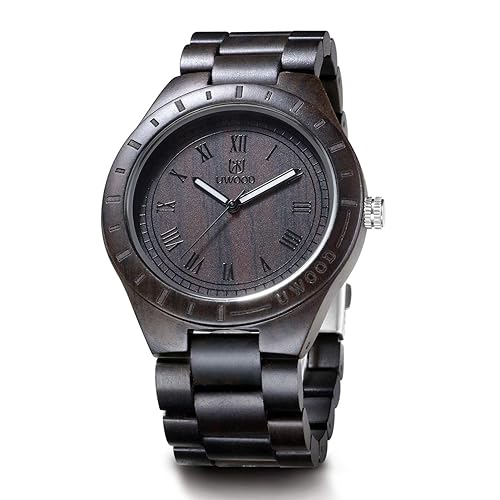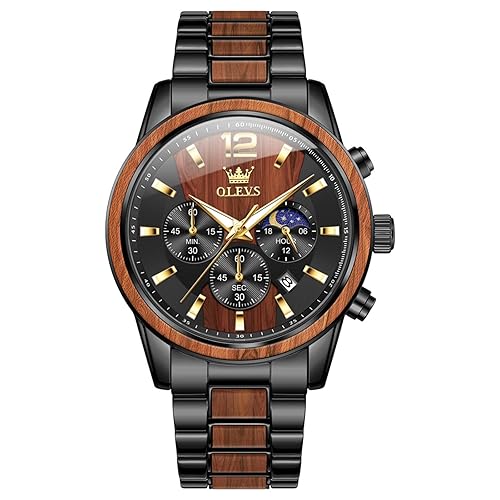
The best wooden watches are light, warm on the wrist and different from every steel case in the shop. They are also less rugged than a metal watch, and the good ones are honest about that. This guide helps you sort the real craft from the gimmicks, with the woods, the brands, the water limits and the care routine laid out in plain terms.
The information comes from maker pages, reviews and care guides. We have not worn these watches, so you will not find claims of personal testing here. Where sources disagree, we say so.
The best wooden watches at a glance
If you only read one section, read this one.
- Most variety: Original Grain, with reclaimed woods and wood-and-steel hybrids.
- Lightest feel: mostly wooden builds, such as WeWood and Earth Wood.
- Hardwood focus: Tree Hut, which leans on walnut, zebrawood and ebony.
- Best for splashes: any model with at least 3 ATM, a sealed finish and a steel case back.
None of these will replace a dive watch. Treat them as everyday companions for dry days.
What makes the best wooden watches different
A wooden watch uses the same kind of movement as a plain quartz watch. Only the outer parts change. Case, bezel, dial or even the strap are made of wood, and that choice explains the strengths and the weak points in one go.
Weight is the big win. Wood is not as dense as steel, so a wooden watch sits lighter on the wrist and does not get hot in the sun. Looks are the second win, because every piece of wood has its own grain, so no two watches are quite the same. Many makers also point to sustainability, as long as the wood is responsibly sourced.
The weak points are the other half of the story. Wood scratches and dents more easily than steel. It reacts to humidity and temperature, and moisture is its natural enemy. For a gentler read on the basics, see our wood watches reviews page.
Which wood should you pick?
The wood decides how the watch looks, how heavy it feels and how well it handles daily knocks. Makers and reviewers name the same few again and again.
A quick wood guide
| Wood | Look and feel | Watch out for |
|---|---|---|
| Maple | Light, smooth grain | Shows scratches more than denser woods |
| Zebrawood | Bold, contrasting stripes | Strong pattern will not suit every outfit |
| Ebony | Dark, dense, polished | Heavier, and fingerprints show on gloss |
| Walnut | Warm brown, strong | Darker tones hide wear but not water |
| Bamboo | Very light, natural lines | Check how well the finish is sealed |
Dense hardwoods such as walnut, zebrawood and ebony are generally treated as the stronger options. A protective lacquer matters almost as much as the species, because it lowers the risk of chips and keeps moisture out.
Sandalwood, rosewood and reclaimed wood
Sandalwood and rosewood show up often in cheaper watches. Reclaimed woods, such as old whiskey barrels, add a story, and the story is much of the appeal. Our guide to the rosewood watch explains what to expect from that wood in particular.
Original Grain: the reclaimed-wood specialist
Brothers Andrew and Ryan Beltran started Original Grain in 2013 after a successful Kickstarter campaign, and the company is based in San Diego. Its watches are assembled in China. A sustainability review noted that it could not confirm worker protections at the factory, which is worth knowing if that matters to you.
The range uses reclaimed wood from bourbon barrels, craft beer barrels, tequila barrels and even stadium seats. The brand partners with Trees for the Future to plant trees for each watch sold, and most of its models use quartz, with a smaller group of automatics. Several designs pair wood with a steel case, which helps with durability.
One reviewer found the small date window hard to read and said so. That is typical of this category: lovely materials, minor ergonomic quibbles. Our detailed Original Grain watches review covers the line in more depth.
Product offers are temporarily unavailable.
WeWood: light and mostly wood
WeWood makes watches where the case, and sometimes the bracelet, is wood. A reviewer described the Kappa as chunky at 46 mm, with a link-style bracelet made entirely of wood. The company says its watches use natural wood with no toxic finishes and a Miyota movement.
An early review noted that the watches are splash resistant, not waterproof. That matches what the rest of the category says: good for dry days, careless with water. If you want more detail, read our WeWood watches review.
The trade-off is simple. An almost entirely wooden watch is the lightest option you can buy, but it also has the most exposed surface to scratches and moisture.
Earth Wood and Tree Hut: more choice in zebrawood, bamboo and walnut
Earth Wood, founded in 2014 in Novi, Michigan, sells dozens of models in zebrawood, rosewood, bamboo and other woods, for men and women. Browse the Earth Wood watches review if you want a feel for the range.
Tree Hut builds around dense hardwoods and talks up Japanese quartz or automatic movements and sapphire-coated or hardened mineral glass. Its own guidance says a rating of 3 ATM or higher handles splashes and light rain. Our Tree Hut watch review goes deeper, and the bamboo watch page covers the lightest option.
Keep in mind that Tree Hut and similar sellers also write the guides that recommend their own products. Their advice on wood types is useful, but cross-check it with independent reviews.
Product offers are temporarily unavailable.
How water-resistant are wooden watches?
Less than you would hope. Most wooden watches are splash-resistant, and few are truly waterproof. Reviewers say a protective finish helps, and most pieces are treated so they will not rot, but they still should not sit in water.
Some models carry a rating of 30 metres or more, which is useful if you wash your hands often or get caught in rain. Even then, avoid saltwater and dry the watch quickly with a soft cloth if it gets wet. Our page on water-resistant wood watch brands looks at models with better ratings.
Think of the rating as a safety margin, not an invitation to go swimming.
Pros and cons in plain words
Wood gives you something a metal watch cannot: a warm material that nobody else has in quite the same pattern. It also weighs little. Those are real advantages for daily wear.
Against that, wood is softer than metal. It reacts to humidity and temperature changes, and some sources say it needs conditioning with oil or wax from time to time. Wooden watches also tend to offer fewer features than modern metal or smart watches, which matters if you want GPS or a heart-rate sensor.
The durability debate is honest and unresolved. Makers say a well-finished hardwood lasts for years. Skeptics point out that knocks and sweat are hard on any natural material. The truth sits in the middle, and your habits tip the balance.
How to care for a wooden watch
A little routine goes a long way.
- Keep it dry. Wipe it with a soft cloth if it gets wet.
- Store it in a cool, dry place, ideally in a protective case.
- Skip the beach, the sauna and the shower.
- Avoid long direct sunlight, which can change the colour of some woods.
- Re-apply wax or oil only if the maker recommends it.
With care, a wooden watch can last and even develop a richer patina. Without it, the finish wears fast.
Wooden watches as gifts and for smaller wrists
A wooden watch makes an easy gift, because the material already feels personal. Some makers offer engraving on the case back, so a name, a date or a short line can turn a simple watch into a keepsake. Ask the seller how the engraving is done and whether it affects the warranty before you order.
Women’s wood watches usually come in smaller, narrower cases than the men’s versions. Check the case diameter and the lug width instead of trusting a size label, and measure your wrist at home with a strip of paper. A 46 mm case that looks bold in a photo can feel huge on a slim wrist, and a lighter wooden build only partly hides that.
For a gift, pick a neutral tone such as walnut or maple, because it matches more outfits than a dramatic zebrawood. Keep the receipt so the recipient can swap the strap or the size if it does not fit.
Wood or steel: how to decide
Ask yourself where the watch will spend its time. If it lives at a desk, at dinner and on weekend walks, wood is a pleasant, light choice. If it has to cope with a gym, a kitchen sink or a beach, steel or resin is the safer bet. Plenty of people end up owning both: a wooden watch for dry days and a tougher one for everything else.
Who should look elsewhere
Swimmers, runners and anyone doing rough work will be happier with a steel or resin case. The same goes for people who want a heavy, solid feel on the wrist, because wood is light by nature. If you need accuracy above all, any quartz watch does the job, and you can read how in our explainer on how a quartz watch works.
Anyone shopping for a daily watch should also check our best everyday watch guide before deciding that wood is the right material.
A buying checklist for the best wooden watches
Before you pay, run through these points.
- Check the wood: real wood, or a printed composite. Cheaper faux-wood models often compromise on quality.
- Read the water rating, and look for at least 3 ATM.
- Look at the crystal: sapphire-coated or hardened mineral glass resists scratches better.
- Confirm the movement, ideally a Japanese quartz or automatic.
- Check the strap: wood links look great but can pinch hair, while leather or steel straps are easier to live with.
- Read the warranty and the return policy.


Common mistakes with wooden watches
Buyers keep making the same three errors. They assume wood is waterproof, because the watch looks sturdy. They buy on photos alone, which hide weight and strap fit. And they pick the wildest grain pattern, then discover it clashes with half their wardrobe.
A calmer approach works better. Choose a tone you would wear with plain clothes, check the size on your wrist and treat the watch as a dry-day accessory.
Frequently asked questions
What are the best wooden watches?
There is no single winner, because it depends on what you want. Original Grain is the best-known name for reclaimed wood and wood-and-steel designs, WeWood and Earth Wood lean towards lighter, mostly wooden builds, and Tree Hut focuses on dense hardwoods. Compare the movement, crystal and water rating before the look.
Are wooden watches waterproof?
Mostly not. Most are splash-resistant, and only some are rated for 30 metres or more. Treat a rating of 3 ATM as protection from splashes and light rain, not as permission to swim.
Are wooden watches durable?
It depends on the wood, the finish and how you treat them. Dense hardwoods such as walnut, zebrawood and ebony resist scratches better, but even then wood is less tough than metal. Makers and reviewers disagree on long-term durability, so look for a sealed finish and a clear warranty.
Are wooden watches hypoallergenic?
Makers often describe them that way, and natural wood does avoid metal alloys such as nickel. Check what the strap buckle, case back and clasp are made of, because those parts are often steel.
Which wood is best for a watch?
Maple is light and smooth, zebrawood has bold stripes, ebony is dark and dense, walnut is strong and bamboo is very light. None is best for everyone. Pick for weight, colour and how much scratch resistance you want.
Do wooden watches use quartz or automatic movements?
Most use quartz, often a Japanese Miyota movement, because it is accurate and needs little care. A smaller group, such as some Original Grain models, uses automatic movements with no battery.
How do I look after a wooden watch?
Keep it dry, wipe it with a soft cloth if it gets wet, and store it somewhere cool and dry, ideally in a case. Avoid saltwater, steam and long sun exposure, which can change the colour of some woods.
Are wooden watches worth buying?
For casual wear, a light summer watch or a gift, yes. For swimming, sport, rough work or anyone who wants advanced features, a steel or resin watch is a better fit.
Our verdict on the best wooden watches
Original Grain is the safest starting point if you want variety and a story. The lightest feel comes from WeWood and Earth Wood, while Tree Hut deserves a look when hardwood and durability matter most. Whichever you pick, buy one with a sealed finish, a decent water rating and a steel case back, and keep it away from the sea.
Wood suits people who want something warm and light for ordinary days. Treat it that way and it will repay you.
Watch the video
Deallagoon is a participant in affiliate programs. If you buy through links on this page we may earn a commission at no extra cost to you.